
Gothic Fiction
A recurring idea that shapes The Phantom of the Opera.
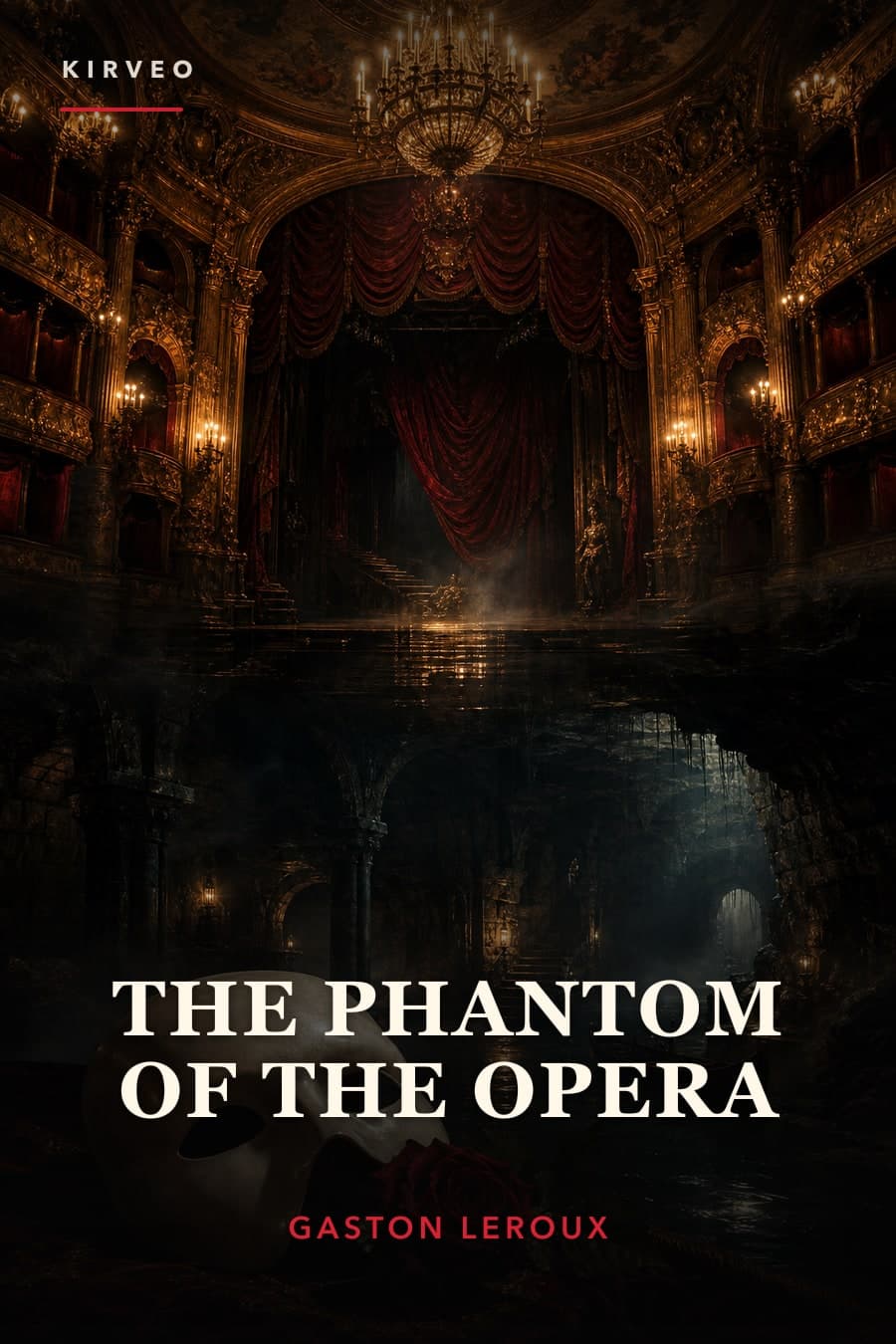
Mystery and obsession spread through the Paris Opera as hidden architecture and theatrical illusion conceal a dangerous private world.
Mystery and obsession spread through the Paris Opera as hidden architecture and theatrical illusion conceal a dangerous private world.
The author of The Phantom of the Opera.
Explore author profileThis work develops its ideas directly rather than through a character-led narrative.
The Phantom of the Opera belongs to the literary and cultural world of Public-domain literature.
Mystery and obsession spread through the Paris Opera as hidden architecture and theatrical illusion conceal a dangerous private world.
Begin by following how gothic fiction and mystery shape the work’s central choices.
The novel is framed as a true historical account, combining the narrator's investigation, eyewitness reports, and a Persian's memoir. This layered structure requires readers to weigh evidence from different sources. The narrative alternates between backstage gossip, police reports, and the Persian's first-person account of the underground. The footnotes are part of the puzzle, not side notes, intentionally questioning reliability.
The Phantom is Erik, a disfigured genius who lives in a hidden lake house and torture chamber beneath the Paris Opera. He haunts the opera house, demands money from directors, and acts as Christine Daaé's mysterious 'Angel of Music.' He kidnaps Christine and offers her a choice between marriage or death. His death is later reported by newspaper.
The novel presents itself as a true historical account uncovered by a narrator, but this is a fictional device. The story is set in the real Paris Opera Garnier, but there is no verified real Phantom. The author uses the framing to explore the boundaries of fact and fiction, making the reader question what is real. It is a work of fiction.
The novel is intermediate difficulty due to period prose, theatrical vocabulary, and non-linear narrative with embedded documents. Recommended approach: read in short sittings, keep notes on key characters (Erik, Christine, Raoul, Persian, Mme Giry), and treat footnotes as clues. Use the provided discussion questions to notice where the text shows versus tells.
Key themes include Gothic mystery (the haunted underground setting), unreliable narration (the story challenges trust), and theatrical illusion vs. reality. Also explored: rumor spreading as a plot driver, Christine's ambiguous loyalty between Raoul and Erik, and institutional corruption at the Opera. The text uses rumor and framed documents to keep the mystery alive.
Source and editorial notice
Public-domain source information is preserved with the published edition. This reading guide was created with AI assistance and reviewed before publication.