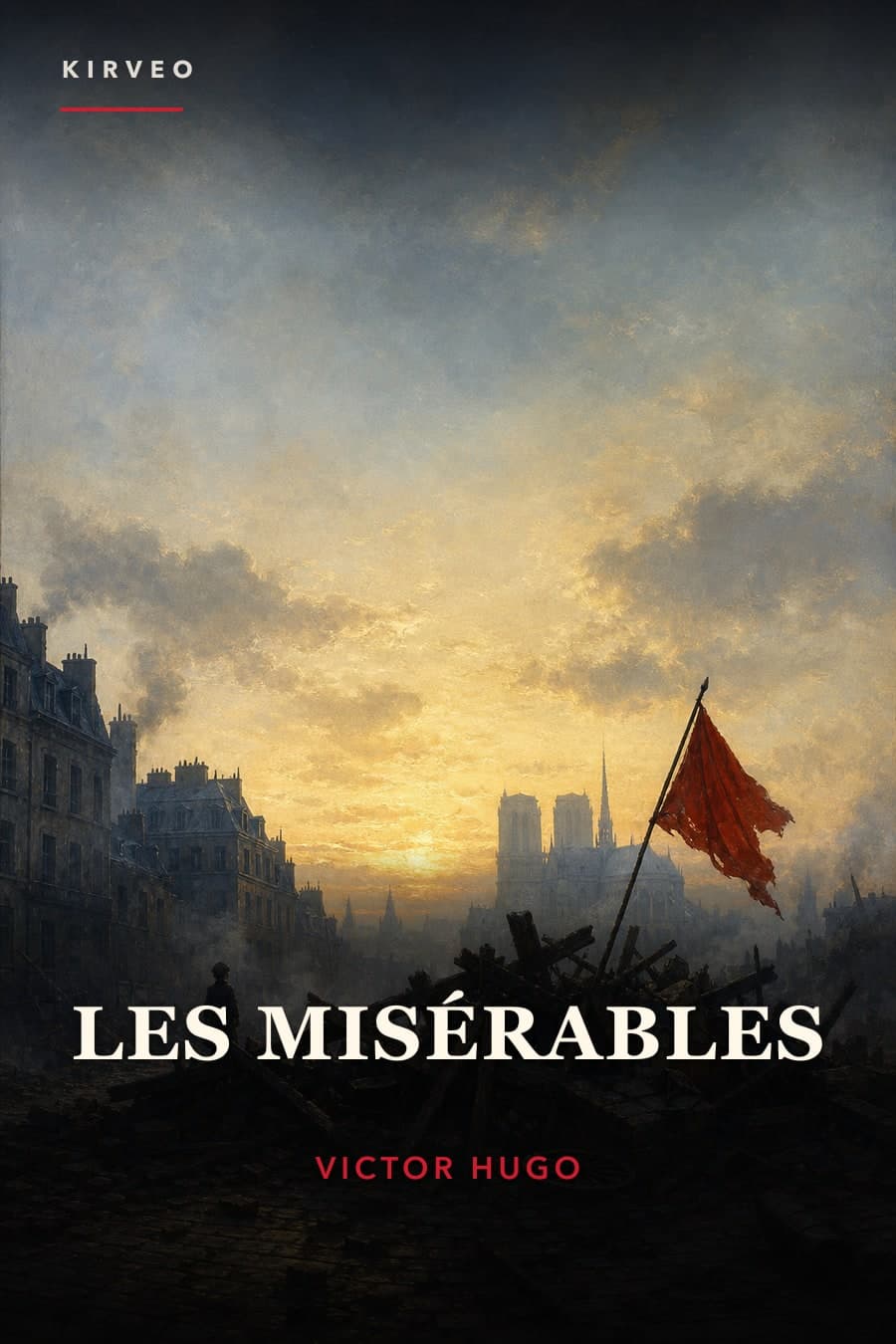
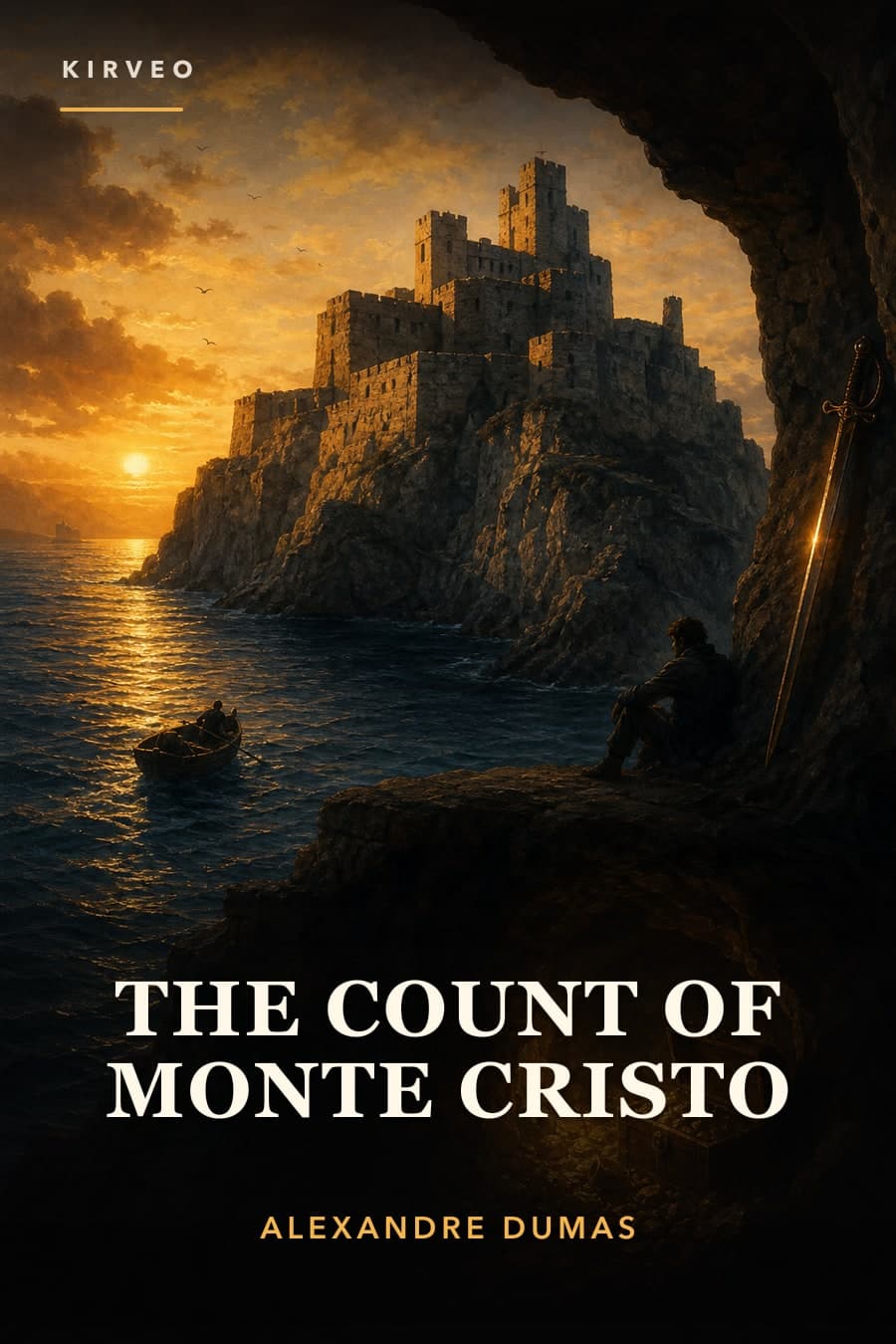
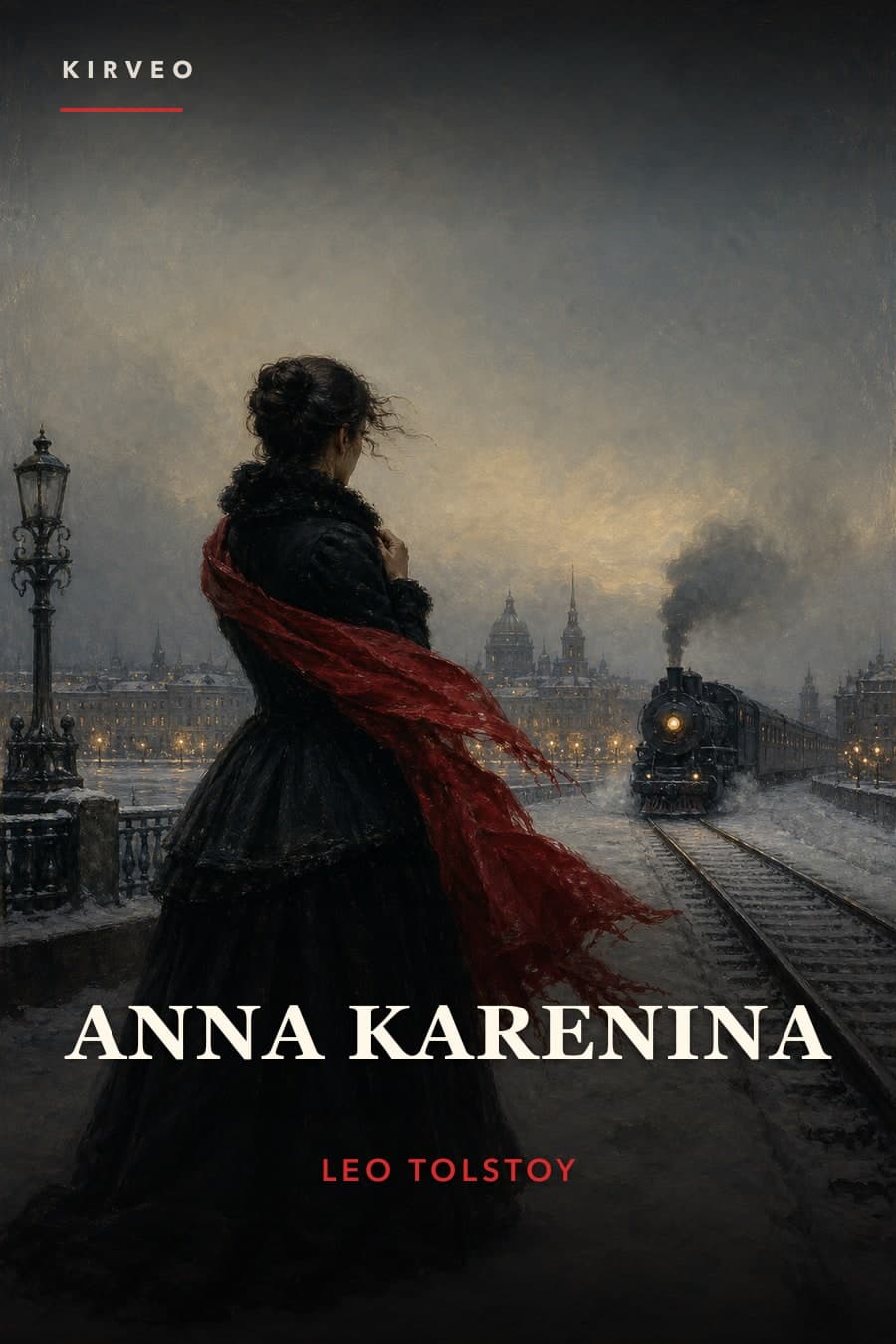
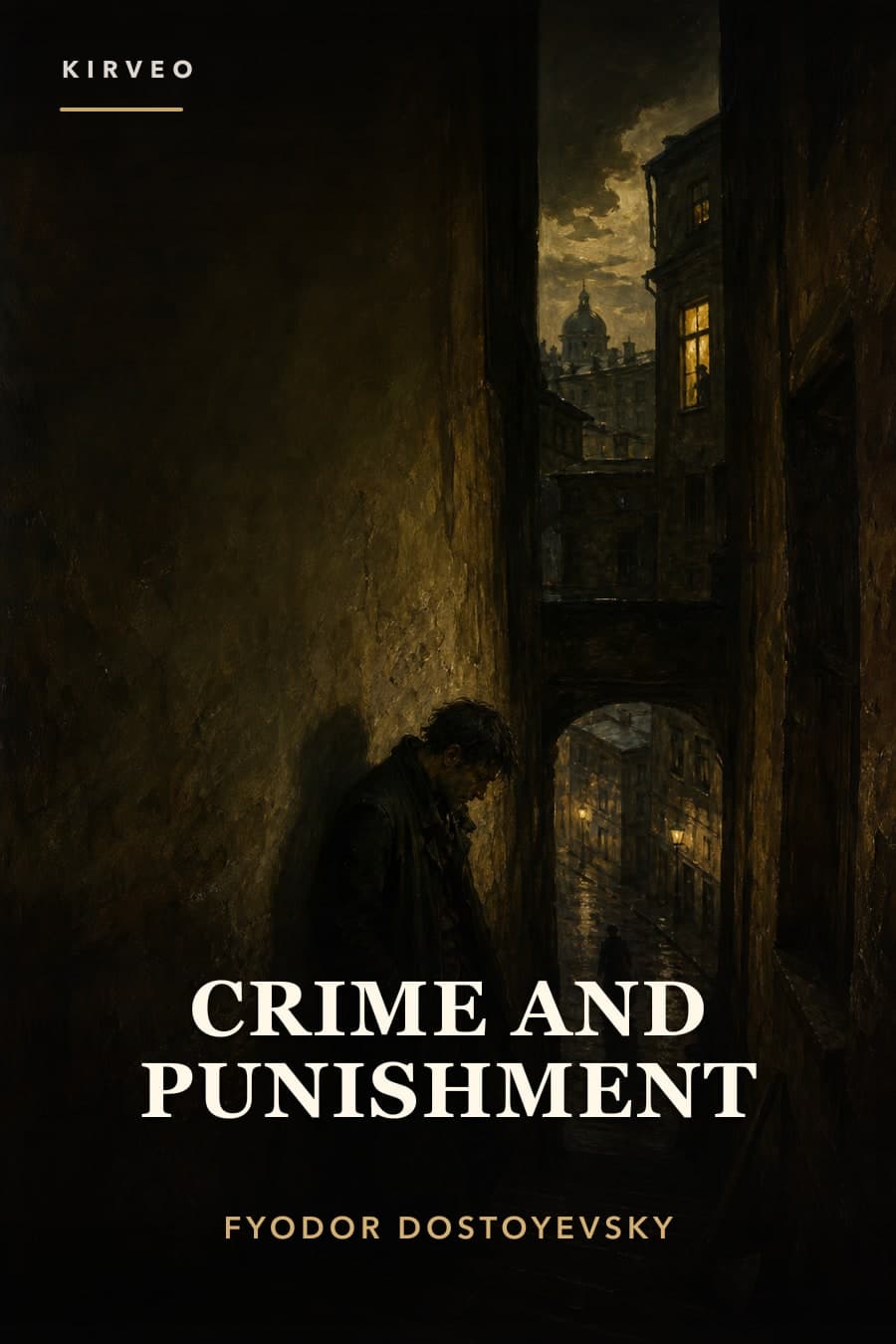
European Literary Classics is a reading path rather than a claim that its books are identical. The collection brings works into conversation so readers can see how stories, arguments, characters, and forms respond to related historical pressures. This route follows continental European fiction through revolution, realism, psychological crisis, philosophical search, bureaucracy, and modern uncertainty. Kirveo presents that background as orientation, not a barrier: the collection is designed for readers meeting these traditions for the first time as well as those returning with a new language or question.
Collections are valuable because individual books can hide the larger networks that made them possible. Authors inherit genres, revise familiar plots, answer political circumstances, borrow images, and write for audiences with particular expectations. Reading across several works reveals both continuity and disagreement. A shared tradition may contain radically different ideas about authority, family, desire, virtue, social order, or the purpose of literature itself.
The collection broadens Kirveo beyond English originals while keeping the launch shelf focused on works with strong global recognition and public-domain availability. That importance should not be confused with simple reverence. A durable work can be formally brilliant and ethically difficult; culturally foundational and open to criticism; widely quoted and frequently misunderstood. The guides on this page keep literary achievement, historical influence, and contested interpretation visible together, giving readers evidence for their own judgments rather than prescribing admiration.
The books also survive through characters and scenes that have travelled beyond their original pages. A rebel, pilgrim, lover, monster, strategist, or sage may become a cultural shorthand while losing the complexity of the surrounding work. Character guides reconnect those familiar figures to plot, relationships, symbolism, and historical setting. Theme links then show how a question changes when a different author, genre, period, or culture takes it up.
These books travel through theatre, opera, film, school syllabi, political debate, philosophy, and the persistent appeal of characters trapped between desire and social order. Adaptation is not merely evidence of popularity; it is one way a tradition thinks through itself. Each retelling selects what to preserve, what to explain, and what to transform for a new audience. Returning from an adaptation to the book can therefore make both versions more interesting, because the distance between them becomes a record of changing values and artistic possibilities.
European classics require careful attention to editions, original language, names, social titles, philosophical vocabulary, and the history of influential English translations. Kirveo treats translation as part of the literary history of the collection. Titles, names, rhythms, jokes, philosophical terms, and social relationships can all shift between languages. No edition can carry every feature in the same way, but a thoughtful translation creates a new set of relations between accuracy, readability, sound, context, and the productive strangeness of the source.
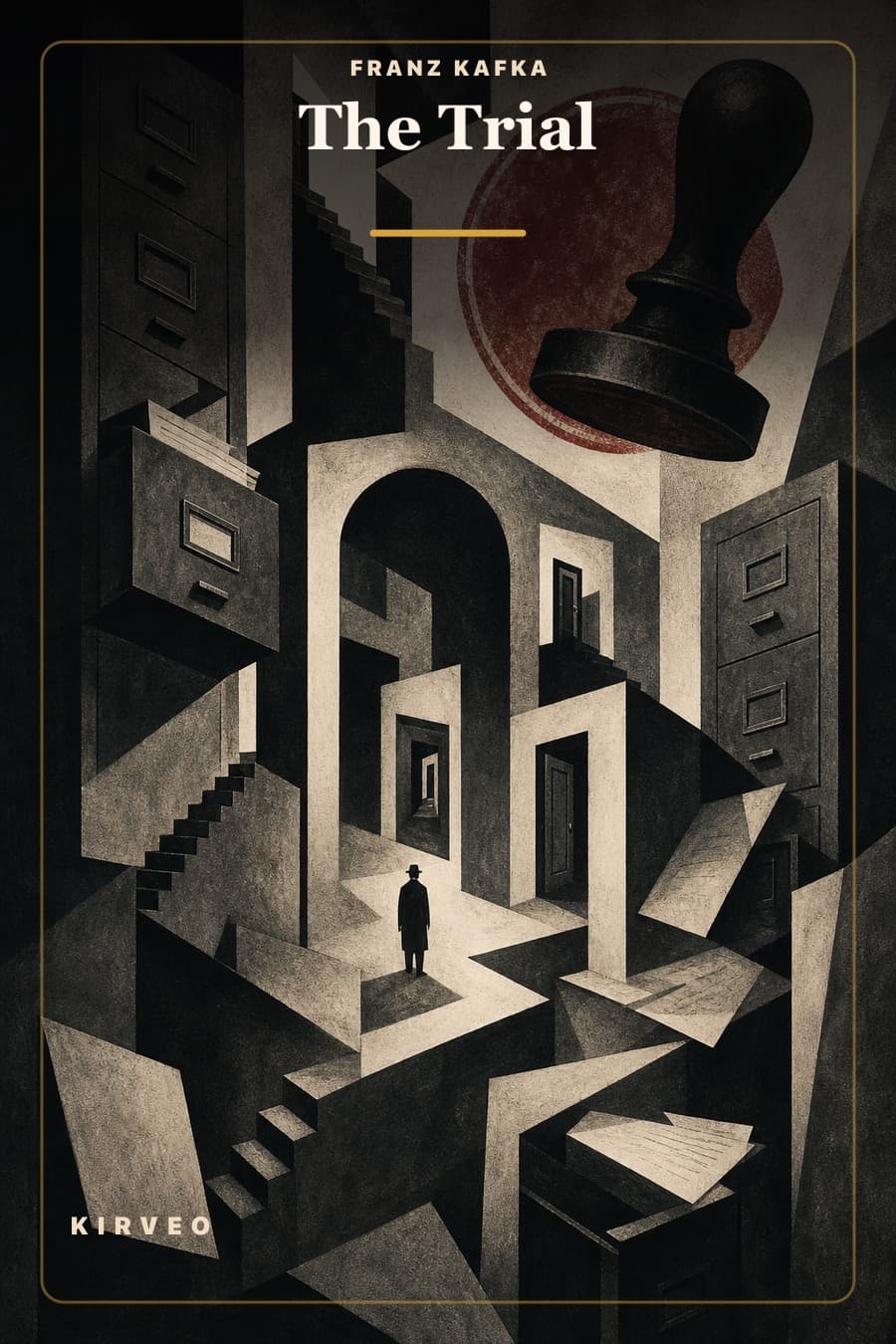
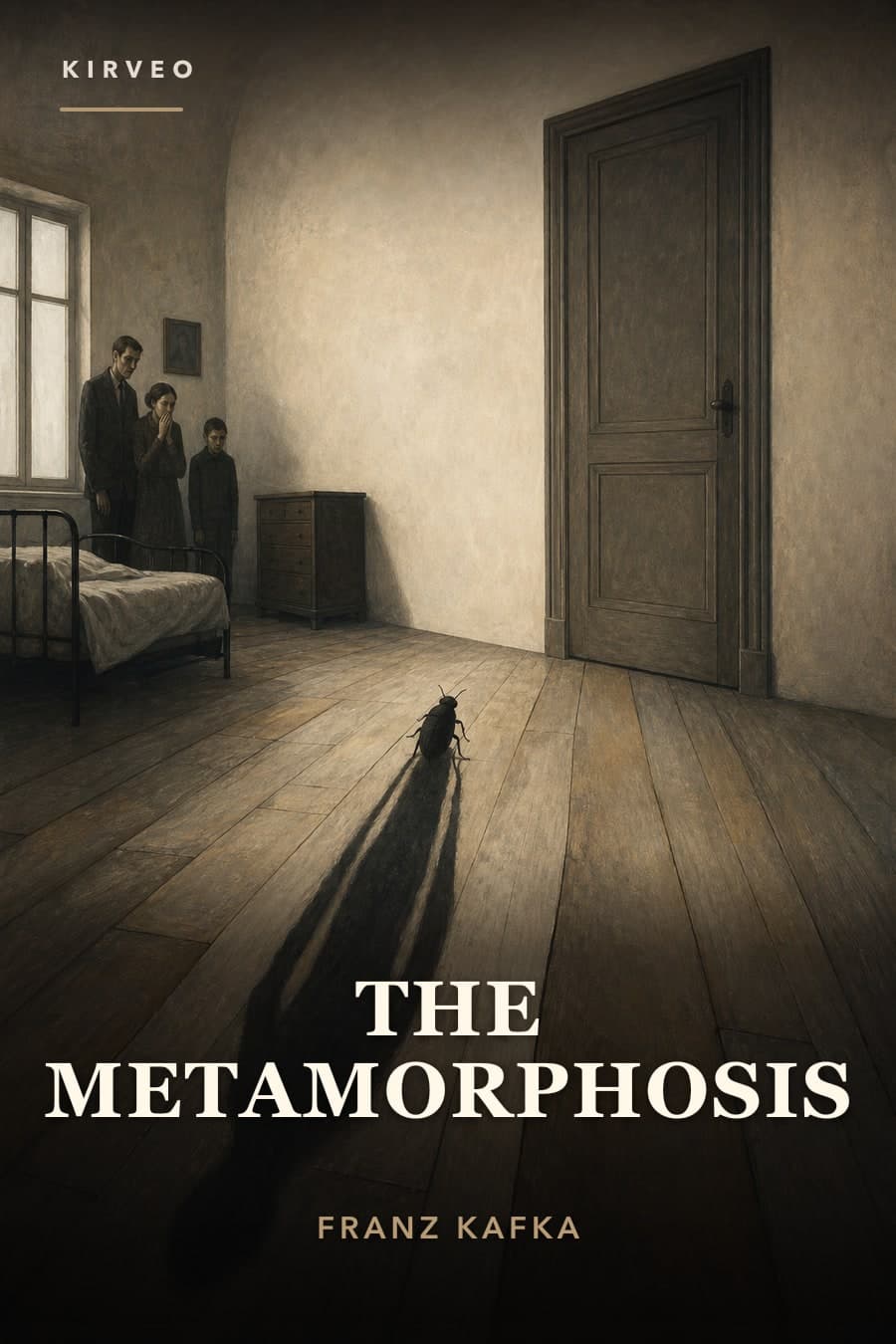
Choose by scale: start with Kafka or Werther for short intensity, Flaubert or Stendhal for social realism, Dostoevsky or Tolstoy for psychological breadth, and Hugo or Dumas for historical sweep. Readers do not need to follow publication date or complete the longest work first. A short philosophical text may supply ideas that illuminate a novel; a character-led story may make an unfamiliar society easier to enter; a later work may provide the curiosity needed to approach an earlier one. The reading guide below offers a route, but it remains an invitation rather than a syllabus.
Historical context matters most when it changes what a reader can notice. Information about dynasties, property law, religious practice, education, warfare, print culture, or family structure should clarify why a choice carried weight for the original audience. It should not flatten a work into an illustration of its period. Literature also rearranges history through irony, fantasy, memory, omission, exaggeration, and form.
The collection is also an opportunity to notice readers themselves. Different communities have approached these books as entertainment, moral instruction, cultural inheritance, schoolwork, political evidence, spiritual practice, or material for reinvention. Those uses can coexist, and none automatically settles what a work means. Seeing the history of reading helps explain why one episode becomes celebrated, another censored, and a third newly important when social conditions change.
Internal links make those relationships explorable without forcing a linear course. From any book, move to its author, then to the characters and themes that organise its central conflicts. Follow a theme into another work, or use an author's page to find collections shaped by a similar tradition. These paths support both focused research and the kind of accidental discovery that makes a digital library feel alive.
Ultimately, European Literary Classics asks readers to stay with complexity long enough for comparison to become insight. The collection offers stories to enjoy, ideas to question, and cultural histories to approach with care. Begin with the work that feels most inviting, use the contextual layers when they become useful, and let each book change the expectations carried into the next one.